Inside the World of Giovanni Hashimoto
Guide to Getting a Bachelors Abroad
Managing the journey toward earning a undergraduate degree in a foreign country requires careful consideration of multiple factors. Prospective students should assess universities and destinations based on educational quality, funding options, and cultural compatibility. Gaining clarity on visa regulations is vital for a smooth changeover. Still, the adventure encompasses much more than planning. Adapting to new environments and maintaining connections with home serve as key elements in influencing the student experience. What obstacles and possibilities lie ahead for students embarking on this journey?
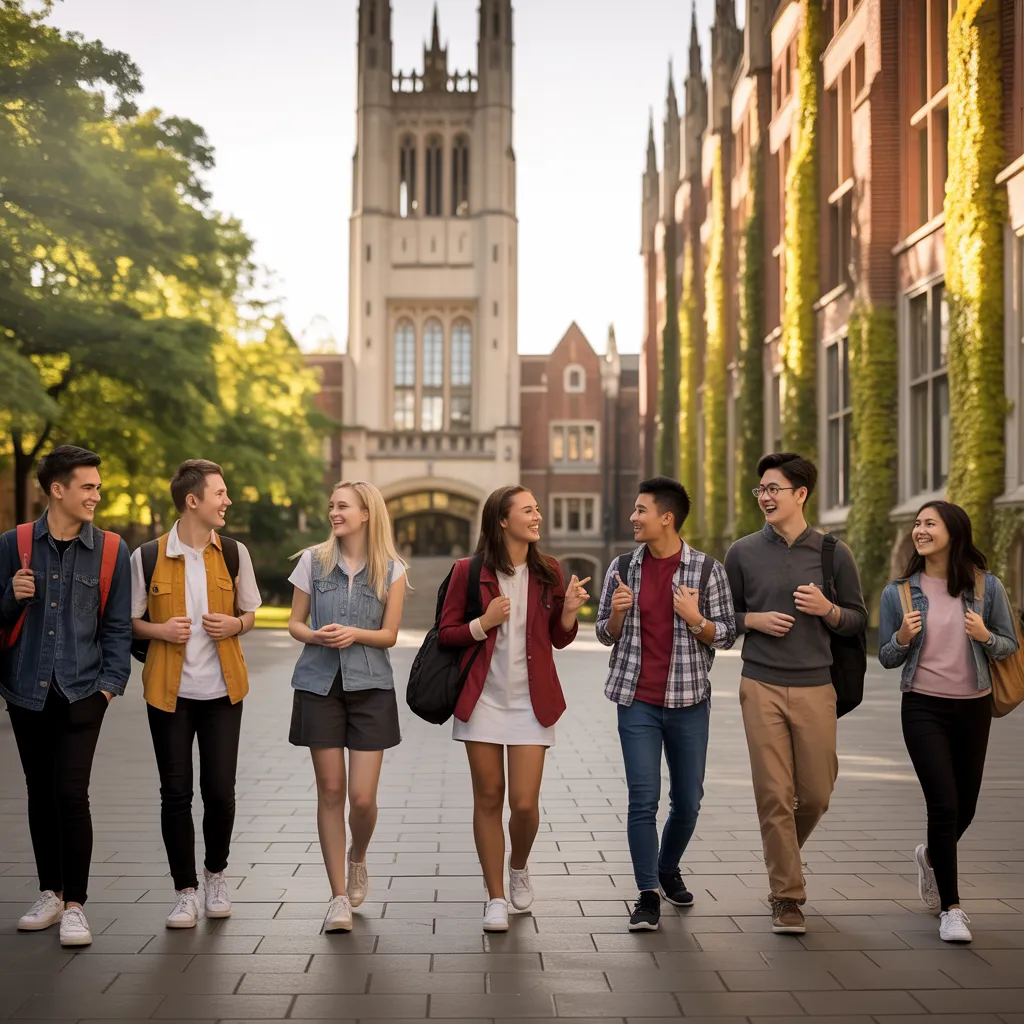
What Factors Should You Consider When Choosing a Country?
When selecting a nation for a bachelor's degree abroad, what essential considerations should guide the decision? First, the educational quality is of utmost importance; aspiring students are encouraged to explore institutional rankings, professor credentials, and the coursework's alignment to their area of study. Second, language is a significant factor; students need to assess whether they are confident enough to study in the native language or if courses offered in English are accessible.
Cultural alignment is another crucial element; gaining insight into the culture, customs, and lifestyle can profoundly impact the overall experience. Additionally, safety and political stability are essential considerations; students should explore the country's reputation for safety and the current political climate. Lastly, closeness to home and available travel options can influence personal preferences and general satisfaction. By weighing these factors carefully, students can make informed decisions that align with their academic and personal aspirations.
How to Secure Funding and Scholarships for Study Abroad
Securing funding and scholarships is essential for students considering a bachelor's degree abroad. Multiple scholarship options are available, addressing diverse requirements and eligibility criteria, and knowing these opportunities can significantly improve financial access. Furthermore, implementing effective application strategies can improve the chances of success in the highly competitive scholarship environment.
Scholarship Types Available
While pursuing a bachelor's degree abroad can be a transformative experience, understanding the types of scholarships available is essential for managing costs. Numerous scholarships are designed to meet varying needs and conditions. Scholarships based on merit recognize outstanding academic performance, while need-driven scholarships aid students experiencing financial hardship. Some institutions offer specific scholarships for international students to encourage diversity. Furthermore, government-backed programs such as Fulbright or Chevening deliver significant financial aid for studying internationally. Non-governmental organizations and foundations additionally provide scholarships targeting particular disciplines or geographic areas. Finally, certain nations provide scholarships to draw international talent, increasing the accessibility of higher education. Exploring these options can greatly ease the financial burden of studying abroad.
Application Success Tips
Mastering the scholarship application process can greatly enhance a student's prospects for receiving funding for overseas education. To improve their prospects, students should start by exploring various scholarships that align with their academic goals and personal backgrounds. Writing a strong personal essay is essential; it should clearly articulate objectives and dreams. In addition, securing powerful recommendation letters from instructors or academic supervisors can provide valuable support. Students must also remain fully aware of application deadlines and requirements, making certain all documents are delivered on time. Moreover, showcasing relevant experiences, such as extracurricular activities or professional training, can distinguish a candidate. Finally, maintaining an organized approach allows for diligent monitoring of submissions and responses, thereby improving the likelihood of securing funding.
Comprehending Visa Requirements for Your Desired Country
Understanding visa criteria is vital for students who plan to pursue international education. Various countries offer different categories of student visas, all of which come with particular eligibility criteria and application steps. Navigating these requirements can significantly affect a student's opportunity to advance their education abroad.
Categories Of Student Visas
Maneuvering through the landscape of student visas is essential for anyone considering a college education abroad. Different countries offer different categories of student visas, with each carrying its own conditions and allowances. For illustration, the linked resource F-1 visa in the United States allows students to pursue full-time studies, while the Tier 4 visa in the United Kingdom fulfills a comparable role. Certain nations, like Canada and Australia, offer dedicated visas allowing students to engage in part-time employment while studying. Furthermore, certain nations may have specific requirements based on the length of the program or the institution's accreditation. Recognizing these variations is critical for prospective students to guarantee compliance and select the right visa for their educational journey.
Application Process Overview
Navigating the application process for a student visa requires careful attention to the specific requirements of the chosen country. All nations have distinct regulations, documentation, and timelines that must be followed. Typically, applicants need to gather essential documents such as proof of enrollment, financial statements, and health insurance. Additionally, some countries may require a language proficiency test or a medical examination.
It is essential for prospective students to initiate the application process well in advance, as visa processing times can fluctuate considerably. Familiarizing oneself with the embassy or consulate's guidelines is also critical, as they offer thorough instructions along with the latest updates on requirements. Ultimately, thorough preparation guarantees a smoother passage to studying abroad.
How to Choose a University That Aligns With Your Goals?
What is the best way to select a university that matches one's academic and professional goals? First, individuals should identify their specific goals, including desired majors and career paths. Investigating institutions that offer robust programs in the relevant disciplines is essential. Students may leverage digital tools, institutional rankings, and graduate connections to evaluate the standard of education provided.
Additionally, elements like location, campus culture, and available extracurricular activities must be evaluated. A nurturing environment can significantly improve the complete university experience. Moreover, prospective students should assess the university's partnerships with field-specific industries, as professional networking and internship prospects can prove essential to long-term professional advancement.
Lastly, taking into account monetary factors, including education costs and daily expenses, is important. By weighing these factors, prospective students can arrive at thoughtful conclusions that match their goals, promising a satisfying and enriching academic pursuit internationally.
Adjusting to Cultural Distinctions in Your New Surroundings
While adjusting to a new culture can be daunting, acknowledging the variations can lead to fulfilling outcomes. Those pursuing education internationally often encounter unique customs, dialects, and societal standards that may appear intimidating in the beginning. To manage these cultural transitions, it is crucial to approach new experiences with an open mind and a willingness to learn. Building relationships with locals, participating in cultural events, and forming bonds with residents can encourage broader comprehension and admiration of the local culture.
Furthermore, achieving a equilibrium between retaining one's own cultural identity and adjusting to the new environment is crucial. Open communication and curiosity can help narrow cultural divides and reduce feelings of loneliness. As individuals accept the unfamiliar, they often develop adaptability and resilience, capabilities that are priceless both in personal and professional spheres. Ultimately, these transformative experiences can deepen one's learning and widen their perspective, making the journey of studying abroad profoundly transformative.
What to Expect While Studying Abroad?
Going to school abroad offers a unique combination of enthusiasm and unfamiliarity, as scholars commonly end up in unfamiliar scholastic and interpersonal surroundings. These individuals could face different teaching styles, which may include everything from joint group assignments to individual investigative work. Students should be prepared for varying expectations regarding engagement and submission timelines.
On a social level, the adjustment can be equally transformative. New friendships may form, but adjusting to varied cultural expectations and ways of communicating can present challenges. Initially, students could feel disconnected or longing for home, but these feelings often diminish as they settle into their adopted communities.
Furthermore, navigating routine activities, like getting accustomed to public transportation and local customs, can be challenging yet rewarding. Students should expect to develop problem-solving skills and resilience as they adjust to these new circumstances. When all is said and done, this adventure promotes self-development and a wider perspective, making every obstacle worth overcoming.
Ways to Keep in Touch With Home While Studying
Staying in touch with home while studying overseas is crucial for mental health and personal support. Learners can leverage modern technology to close the gap, employing video calls, messaging apps, and social media platforms to exchange experiences and keep family and friends informed. Arranging frequent communication sessions can build a soothing pattern, making it easier to navigate the challenges of studying in a new environment.
In addition, students are encouraged to joining local expat groups or organizations, which can extend a supportive network and collective experiences. Forwarding postcards or thoughtful care packages can also solidify relationships and provide a tangible connection to home. Taking part in cultural pursuits that connect them to their heritage, such as preparing traditional meals or observing holidays, nurtures a feeling of belonging. By actively maintaining these connections, students can elevate their overall international study experience, guaranteeing they feel supported and less alone during their academic endeavors.
Frequently Asked Questions
What Are the Top Countries for International Students?
A number of countries are well known for attracting international students, including the United States, Canada, the United Kingdom, Australia, and Germany. These countries provide a wide range of programs, rich cultural experiences, and pathways for academic and personal development.
How Do I Find Student Accommodation Abroad?
To secure international student lodging, individuals should look into college housing resources, online rental platforms, and local listings. Engaging with fellow students and seeking recommendations can likewise deliver valuable insights into ideal residential arrangements.
Am I Allowed to Work During My Studies Overseas?
Certainly, a large number of international students are permitted to work while studying overseas, subject to the relevant visa restrictions. Part-time employment often provide valuable experience and support general living costs, but balancing study and work responsibilities is crucial for succeeding academically.
What Type of Health Insurance Do I Need When Studying Abroad?
International students typically require comprehensive health coverage that covers medical emergencies, hospitalization, and repatriation. It is essential to review the requirements of the host country and confirm the plan covers coverage for ongoing medical needs and pre-existing conditions.
How Can I Improve My Language Skills Before Leaving?
To develop linguistic proficiency before going abroad, one should participate in consistent practice through online courses, apps, language exchange programs, and interactive experiences with native speakers. Exploring books and watching movies in the target language additionally offers tremendous value.